Are you struggling to get your newborn to sleep peacefully through the night? You’re not alone.
Establishing a solid sleep routine for your baby can feel overwhelming, but it’s one of the most important steps you can take for both your child’s health and your own sanity. Imagine waking up refreshed, knowing your little one has had a restful night.
You’ll discover simple, effective ways to create a newborn sleep routine that works. Stick with me, and you’ll learn how to turn those sleepless nights into calm, predictable sleep patterns that benefit the whole family.

Newborn Sleep Patterns
Newborn sleep patterns are very different from older babies or adults. Understanding these patterns helps parents create a better sleep routine. Newborns sleep a lot but in short bursts. Their sleep is not yet linked to day or night. Recognizing how newborns sleep can ease parents’ stress and improve the baby’s rest.
Typical Sleep Cycles
Newborns cycle through sleep stages every 50 to 60 minutes. These stages include active sleep and quiet sleep. Active sleep is light and includes movement and noises. Quiet sleep is deeper and more restful. Babies often wake at the end of each cycle. This is normal and part of their development.
Day Vs Night Sleep
Newborns do not have a clear day-night sleep pattern. They sleep around 14 to 17 hours in 24 hours. Sleep is spread out over day and night. Their internal clock develops slowly over weeks. Parents can help by keeping nights calm and bright days active. This helps babies learn day from night.
Common Sleep Challenges
Newborns often face common sleep issues. Frequent waking is normal due to hunger and comfort needs. Some babies have difficulty settling down. Sleep regression may occur around 6 to 8 weeks. Parents might feel tired and unsure. Patience and gentle routines support better sleep over time.
Setting The Environment
Setting the environment is key to helping your newborn sleep well. A calm and cozy space makes a big difference. Babies feel safe and relaxed in the right surroundings. This helps them settle down faster and sleep longer.
Ideal Room Temperature
Keep the room temperature between 68 and 72 degrees Fahrenheit. This range is best for newborns to feel comfortable. A room that is too hot or cold can wake your baby. Use a thermometer to check the temperature often. Dress your baby in light clothes to match the room.
Lighting Tips
Use soft, dim lighting during sleep times. Bright lights can confuse your baby’s internal clock. Try blackout curtains to keep the room dark for naps and night sleep. A small nightlight helps if you need to check on your baby. Avoid screens or harsh lights near the crib.
Creating A Comfortable Sleep Space
Choose a firm, flat mattress that fits the crib perfectly. Remove pillows, toys, and loose bedding to keep the space safe. Use a fitted sheet made from soft, breathable fabric. Make sure the crib is free from drafts and noise. A quiet and tidy space helps your baby relax and fall asleep.
Safe Sleep Practices
Creating a safe sleep space is key for a newborn’s rest. Safe sleep practices lower risks and help babies sleep soundly. Parents feel more confident knowing their baby is secure. Follow simple rules to build a healthy sleep routine.
Sleep Positioning
Always place your baby on their back to sleep. This position reduces the risk of sudden infant death syndrome (SIDS). Avoid putting your baby on their stomach or side. Use a firm mattress without soft surfaces for better support.
Choosing The Right Bedding
Use a tight-fitting sheet on the crib mattress. Avoid pillows, blankets, and stuffed toys in the crib. These items can cause suffocation or overheating. Dress your baby in light sleepwear to keep them warm without extra covers.
Reducing Risks
Keep the crib in the same room as you for the first six months. Do not smoke near your baby or inside the house. Keep the sleep area free of loose items and cords. Use a pacifier during sleep to help reduce SIDS risk.

Developing A Sleep Schedule
Developing a sleep schedule for your newborn helps both baby and parents. It sets clear times for sleeping and waking. This routine supports healthy growth and better sleep quality. Establishing a schedule takes patience and attention to your baby’s needs. Understanding natural sleep patterns guides the process smoothly.
Recognizing Sleep Cues
Babies show signs when they are ready to sleep. Watch for yawning, rubbing eyes, or fussiness. These clues mean your baby feels tired. Acting quickly prevents overtiredness, which makes sleep harder. Learning these cues helps set nap and bedtime more easily.
Timing Naps And Night Sleep
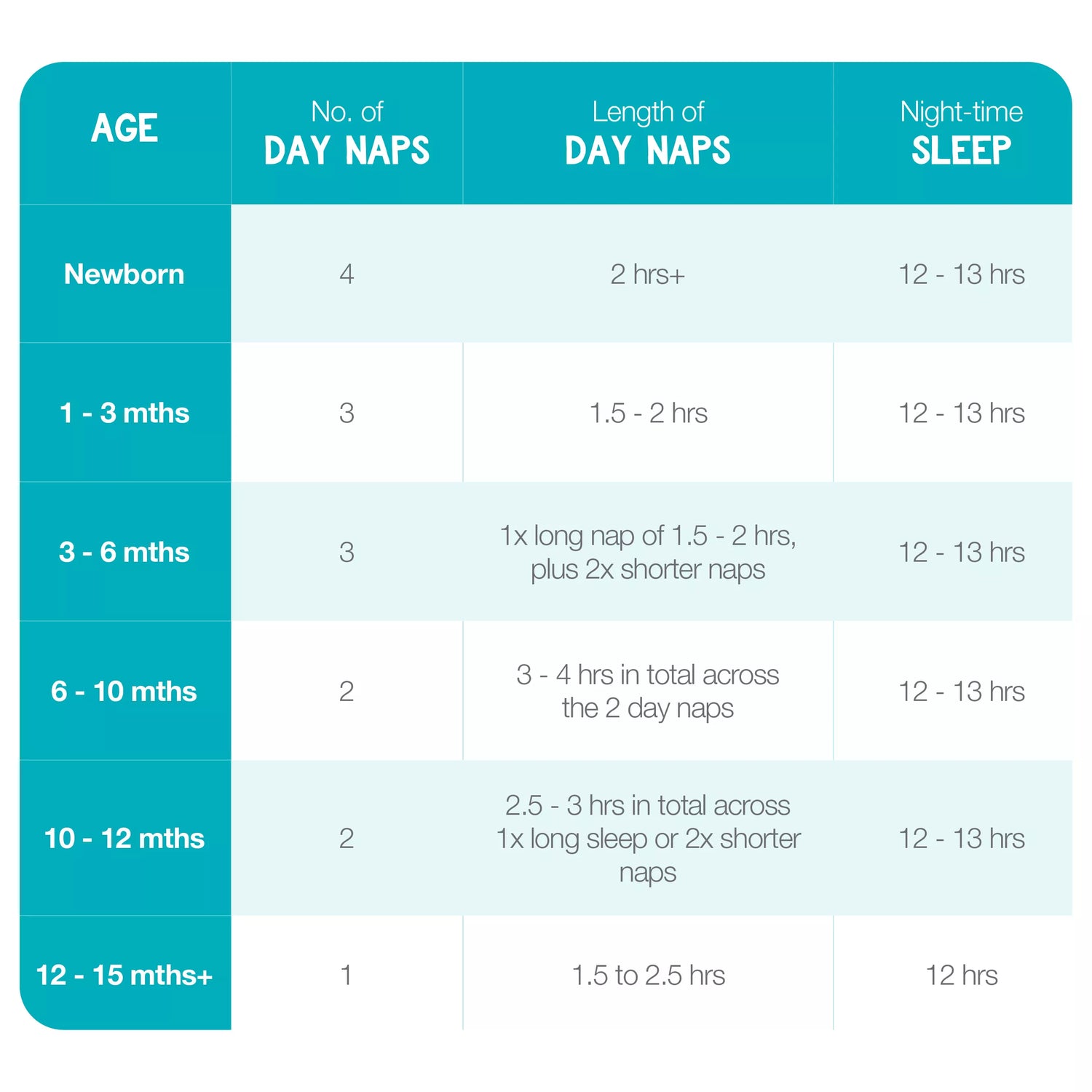
Newborns need many naps throughout the day. Each nap may last 30 minutes to two hours. Night sleep grows longer as weeks pass. Try to space naps evenly to avoid sleep gaps. A good balance keeps your baby rested and calm.
Consistency And Flexibility
Stick to a sleep schedule as much as possible. Consistency builds a strong sleep habit for your baby. Still, be ready to adjust for growth or changes. Some days need more naps or earlier bedtimes. Flexibility helps your routine fit your baby’s unique needs.
Soothing Techniques
Soothing techniques help calm your newborn before sleep. They create a peaceful environment for rest. These methods can ease fussiness and make your baby feel safe. Consistent soothing helps babies learn to relax and fall asleep on their own.
Swaddling Methods
Swaddling wraps your baby snugly in a soft blanket. It mimics the cozy feeling of the womb. This helps reduce startle reflexes that wake babies up. Use a breathable fabric and leave enough room for hips to move. Always place your baby on their back to sleep safely.
White Noise Benefits
White noise masks other household sounds that may wake your baby. It creates a steady, gentle background sound similar to the womb. This noise helps babies settle faster and sleep longer. Use a low volume and a consistent sound pattern for best results.
Gentle Rocking And Patting
Rocking your baby softly can soothe them quickly. Rhythmic motion helps relax muscles and calm the mind. Light patting on the back or chest also provides comfort. Keep movements slow and steady to avoid overstimulation.
Feeding And Sleep
Feeding and sleep are closely linked in a newborn’s routine. Babies need food to grow and stay healthy. Feeding before sleep helps them feel full and calm. This can make it easier for babies to fall asleep and stay asleep longer. Understanding how feeding affects sleep helps parents create a better routine.
Feeding Before Bedtime
Feeding your baby right before bedtime can help them feel satisfied. A full tummy can make babies less fussy and more relaxed. This quiet time also signals the body that it is time to sleep. Try to keep feeding calm and gentle. Avoid bright lights or loud noises. This helps your baby prepare for sleep.
Night Feedings Impact
Newborns often wake up at night to feed. This is normal and important for their growth. Night feedings can interrupt sleep, but they also comfort your baby. Try to keep these feedings short and quiet. Avoid too much play or stimulation during the night. This helps your baby learn to fall back asleep quickly.
Balancing Hunger And Sleep
Finding the right balance between hunger and sleep is key. Feed your baby enough during the day to reduce night wakings. Watch for signs of hunger but also signs of tiredness. Sometimes babies fuss because they are sleepy, not hungry. A steady feeding and sleep routine helps your baby feel secure and rested.
Handling Sleep Regression
Handling sleep regression can feel tough for new parents. Babies suddenly wake up more at night or resist naps. This change often happens during growth or development spurts. Understanding sleep regression helps you stay calm and support your baby.
Signs And Causes
Sleep regression shows as sudden changes in sleep patterns. Your baby may cry more or refuse to sleep. They might wake up frequently or take shorter naps. Causes include teething, growth spurts, or brain development. These changes can last from a few days to weeks.
Coping Strategies
Keep a consistent bedtime routine to help your baby feel safe. Use gentle rocking or soft singing to calm them down. Avoid adding new activities during bedtime. Offer comfort but avoid making new habits like rocking to sleep. Patience is key; your baby will adjust over time.
When To Seek Help
Seek advice if sleep problems last more than a month. Contact a pediatrician if your baby seems unusually fussy or tired. Watch for signs of illness or discomfort. Professional help can guide you to better support your baby’s sleep health.
Tracking Sleep Progress
Tracking your newborn’s sleep helps create a better routine. It shows patterns and changes in sleep habits. Recording sleep details guides you in making small improvements. This helps your baby rest better and feel calmer.
Using Sleep Logs
Sleep logs record your baby’s sleep times and durations. Write down when your baby falls asleep and wakes up. Note naps and nighttime sleep separately. This simple record shows how much sleep your baby gets each day. It also helps spot any irregular sleep patterns early.
Monitoring Sleep Quality
Quality matters as much as quantity in sleep. Watch for signs like restlessness or frequent waking. Note if your baby sleeps deeply or wakes often. Good sleep quality means your baby feels refreshed after naps. Poor quality may cause fussiness and tiredness.
Adjusting The Routine
Use sleep logs and quality notes to change the routine. Shift nap times or bedtime to better fit your baby’s needs. Try small changes and observe the results. Adjusting the schedule helps your newborn get the best rest possible. Be patient; it takes time to find the right routine.
Frequently Asked Questions
How Soon Can I Start A Newborn Sleep Routine?
You can begin a sleep routine as early as two weeks old. Early routines help babies develop healthy sleep habits. Consistency is key to signaling sleep time. Start with calming activities like feeding and gentle rocking before naps and bedtime.
What Are The Best Sleep Cues For Newborns?
Look for yawning, eye rubbing, and fussiness as sleep cues. These signs show your baby is ready to sleep. Responding promptly helps prevent overtiredness. Establishing a routine around these cues promotes better sleep patterns.
How Long Should Newborn Naps Be During The Day?
Newborn naps usually last between 30 minutes to 2 hours. Short naps prevent overtiredness and support healthy sleep cycles. Aim for multiple naps totaling 14 to 17 hours daily. Adjust nap length based on your baby’s sleep cues.
Should I Use White Noise For Newborn Sleep?
Yes, white noise can soothe newborns and mask background sounds. It mimics the womb environment, helping babies relax. Use a gentle, consistent sound at a low volume. Avoid sudden loud noises to maintain a calm sleep environment.
Conclusion
Establishing a newborn sleep routine takes time and patience. Consistency helps your baby feel safe and calm. Small steps each day lead to better sleep habits. Trust your instincts and adjust as needed. Remember, every baby is different and learns at their own pace.
Sleep routines support healthy growth and happy days. Keep trying, and rest will improve for both of you. Simple routines bring peace to your home. The effort you put in now pays off later.


