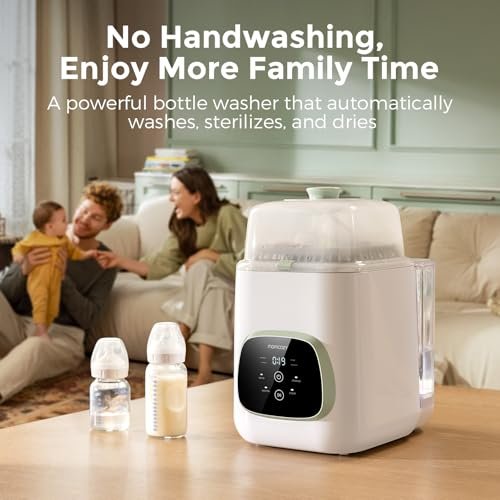
Are you wondering if you can safely sterilize your silicone items using a bottle sterilizer? Whether it’s baby bottles, pacifiers, or kitchen tools, keeping these items clean is important for your health and peace of mind.
But you might be asking yourself—will a bottle sterilizer work for silicone, or could it damage your items? You’ll discover the simple answer and learn how to make sure your silicone products stay safe and spotless every time. Keep reading to get the clear facts and easy tips you need!

Silicone Items And Bottle Sterilizers
Silicone items are common in baby care and kitchen tools. They are soft, flexible, and safe for many uses. Many parents wonder if these items can be cleaned using a bottle sterilizer. Understanding how silicone items and bottle sterilizers work helps answer this question clearly.
Using the right cleaning method keeps silicone items safe and free from germs. It also helps maintain their quality and shape for longer use. Let’s explore the types of silicone items and how bottle sterilizers clean them.
Types Of Silicone Items
Silicone items come in many forms. Baby bottle nipples, pacifiers, teethers, and breast pump parts often use silicone. Kitchen tools like spatulas and baking mats are also made from silicone. These items resist heat and do not break easily.
Each type of item has different thickness and shapes. These differences affect how they handle heat during sterilization. Thin silicone items like nipples need gentle care. Thicker items like teething toys handle heat better.
How Bottle Sterilizers Work
Bottle sterilizers use steam or UV light to kill germs. Steam sterilizers heat water to create steam. The steam surrounds items and cleans every surface. This method is quick and effective for most baby items.
UV sterilizers use ultraviolet light to destroy bacteria. They do not use heat, so they are gentle on all materials. Both methods aim to keep baby items safe and hygienic.
Safety Of Sterilizing Silicone
Silicone items are popular for many uses, especially in baby products. Many people wonder if it is safe to sterilize these items in a bottle sterilizer. Silicone is known for its durability and flexibility. Still, safety during sterilization depends on how it handles heat and the sterilizer’s method.
Heat Resistance Of Silicone
Silicone can resist high temperatures without melting or deforming. Most silicone items can handle heat up to 450°F (232°C). Bottle sterilizers use steam or UV light, both safe for silicone. Steam sterilizers heat water to about 212°F (100°C). This temperature is well below silicone’s damage point. So, silicone items usually stay safe in steam sterilizers.
Potential Risks And Damage
Repeated exposure to high heat may weaken silicone over time. Some low-quality silicone might discolor or lose shape after many sterilizations. Avoid sterilizing silicone with metal parts attached. Metal can heat unevenly and cause damage. Also, harsh chemicals or abrasive scrubbing can harm silicone. Always check manufacturer instructions to ensure safety.
Best Practices For Sterilizing Silicone
Sterilizing silicone items properly is essential for safety and durability. Silicone is heat resistant but requires careful handling during sterilization. Following the best practices ensures your silicone items stay clean and last longer.
Cleaning Before Sterilization
Always wash silicone items with warm water and mild soap first. Remove any dirt or milk residue thoroughly. Rinse well to avoid soap buildup. Clean items sterilize more effectively and reduce bacteria risks.
Proper Placement In Sterilizer
Place silicone items upright in the sterilizer. Avoid overcrowding to let steam reach all surfaces. Keep items away from heating elements to prevent damage. Proper placement ensures even sterilization for all parts.
Sterilization Duration And Temperature
Set sterilizer according to the manufacturer’s instructions. Typically, 5 to 10 minutes at 100°C (212°F) works well. Avoid exceeding recommended time or temperature to protect silicone quality. Correct duration and heat kill germs without harming items.

Alternatives To Bottle Sterilizers
Sterilizing silicone items does not always require a bottle sterilizer. Several other safe methods exist to keep your items clean and germ-free. These alternatives offer flexibility and work well at home.
Choosing the right method depends on the materials and your convenience. Each method has its benefits and simple steps to follow. Here are some popular options to consider.
Boiling Water Method
Place silicone items in a pot of boiling water. Let them boil for at least five minutes to kill bacteria and germs. This method is simple and uses only heat and water. Make sure the items are fully submerged and do not touch the pot’s bottom. Remove carefully to avoid burns. This method works well for most silicone products.
Microwave Steam Sterilizers
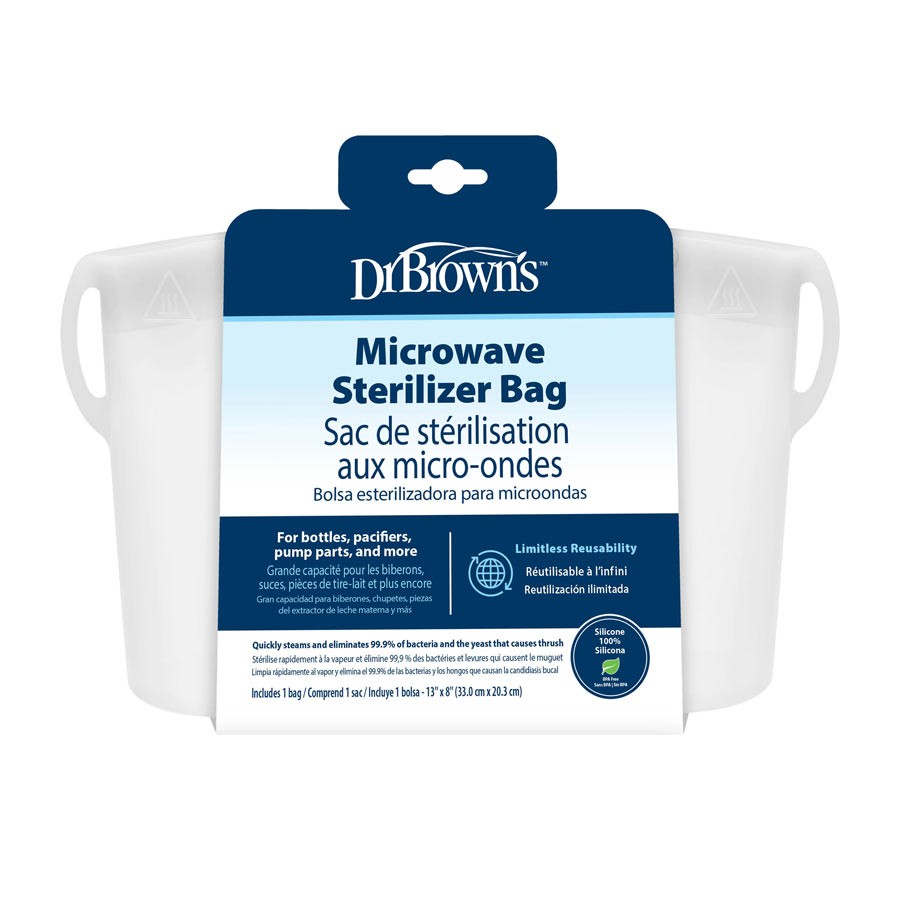
Microwave steam sterilizers use heat and steam to clean items quickly. Add water and the silicone items to the sterilizer. Place it in the microwave for the recommended time. This method is fast and easy. It uses less water than boiling. Be sure to follow the manufacturer’s instructions carefully. This option suits busy parents needing quick sterilization.
Chemical Sterilizing Solutions
Chemical sterilizing solutions dissolve germs without heat. Soak silicone items in the solution for the suggested time. Rinse well with clean water afterward. These solutions are gentle on silicone and effective against bacteria. They are useful when heat methods are not possible. Always use the correct amount and follow safety guidelines for best results.
Signs Silicone Items Need Replacement
Silicone items are popular for their durability and safety. Still, they do not last forever. Knowing when to replace silicone items keeps them safe and effective. Watch for clear signs that show the need for replacement. These signs protect your health and ensure the items work well.
Wear And Tear Indicators
Look closely at the surface of silicone items. Cracks, tears, or sticky spots show damage. Discoloration or hard spots also mean the silicone is breaking down. These problems affect the item’s safety and function. Replace items at the first sign of damage. Do not wait for the damage to get worse.
Hygiene Concerns
Silicone can hold bacteria if not cleaned well. Stains and odors that do not wash away are warning signs. These may mean bacteria or mold growth inside the material. Even after sterilizing, if smells or spots remain, replace the item. Using fresh silicone items helps keep germs away. Clean items well, but replace when hygiene is doubtful.
Frequently Asked Questions
Can Silicone Items Be Safely Sterilized In Bottle Sterilizers?
Yes, most silicone items are safe for bottle sterilizers. Silicone withstands high heat and steam without damage, making it ideal for sterilization.
How Long Should Silicone Items Stay In A Bottle Sterilizer?
Typically, silicone items need 5 to 10 minutes in a sterilizer. Follow your sterilizer’s instructions for the best results.
Will Sterilizing Damage Silicone Baby Products?
No, sterilizing won’t damage quality silicone baby products. Silicone is durable, heat-resistant, and designed for repeated sterilization cycles.
Are All Silicone Items Compatible With Bottle Sterilizers?
Most silicone items are compatible, but check manufacturer guidelines. Some silicone blends or additives may not tolerate sterilization well.
Conclusion
Silicone items can usually be sterilized in a bottle sterilizer safely. Check the product instructions before using the sterilizer. Most silicone items handle heat well without damage. This method saves time and keeps items clean. Always let items cool before handling after sterilizing.
Clean silicone stays safe for babies and daily use. Sterilizing often helps prevent germs and infections. Trust your sterilizer’s guidelines for the best results. Clean, safe silicone makes feeding easier and healthier.