Ensuring your newborn sleeps safely is one of the most important things you can do as a parent. You want to protect your baby every moment, especially during sleep when risks can be hidden.
What if there were simple steps you could take right now to create a safe sleeping space that gives you peace of mind? You’ll discover practical and easy-to-follow tips that help keep your little one secure and comfortable. Keep reading—your baby’s safety depends on what you do today.
Safe Sleep Environment
Creating a safe sleep environment is key for a newborn’s health. It helps reduce risks and ensures peaceful rest. Parents must focus on the crib, mattress, and room conditions. Each detail can protect your baby during sleep.
Choosing The Right Crib
Pick a crib that meets current safety standards. Look for one with sturdy rails and no loose parts. The slats should be close enough to stop the baby’s head from getting stuck. Avoid cribs with drop-down sides, as they are unsafe.
Ideal Mattress And Bedding
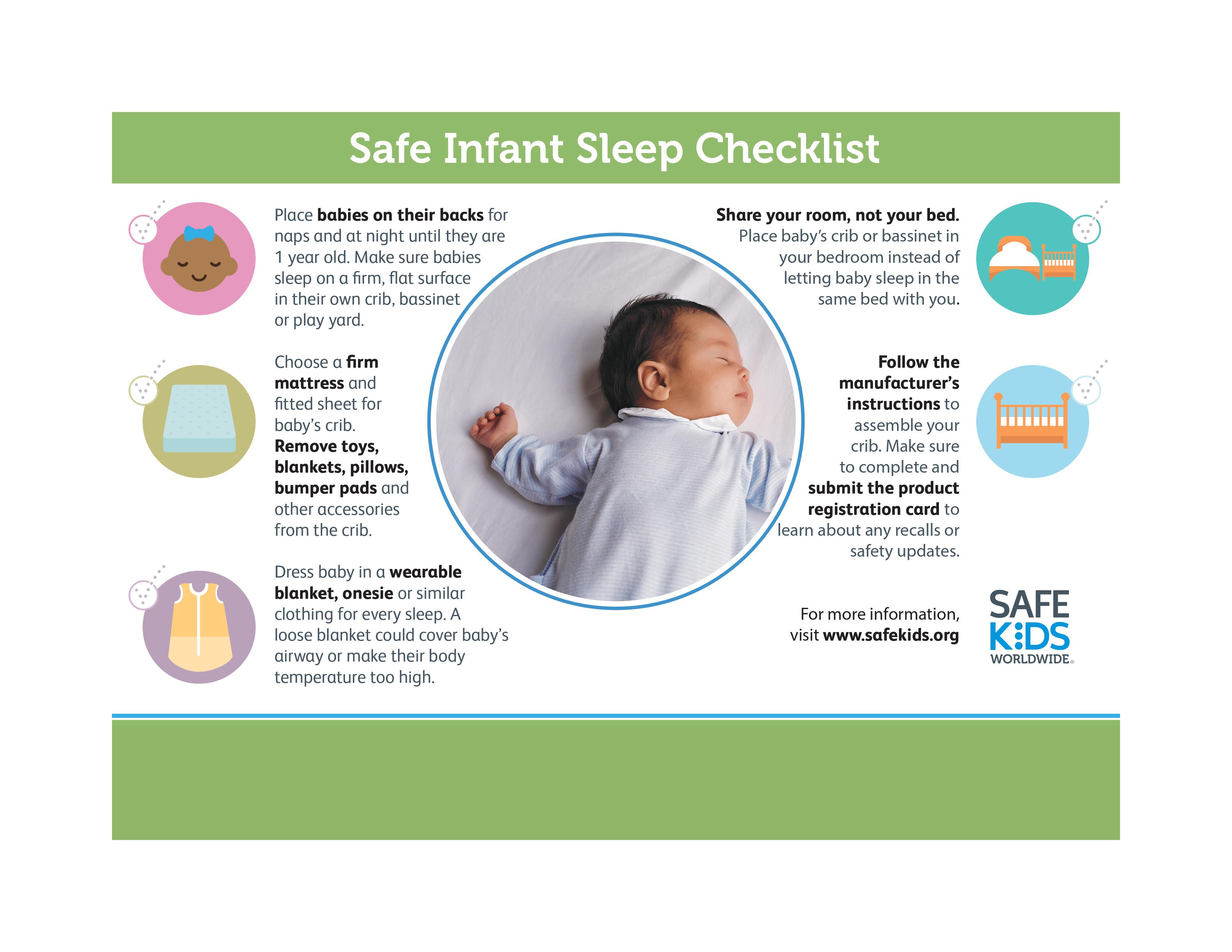
Select a firm mattress that fits snugly in the crib. Soft mattresses can increase the risk of suffocation. Use a fitted sheet made for the mattress size only. Keep pillows, blankets, and toys out of the crib to prevent accidents.
Room Temperature And Lighting
Maintain a comfortable room temperature between 68 and 72 degrees Fahrenheit. Overheating can be dangerous for newborns. Use soft, dim lighting during nighttime feedings. Bright lights can disrupt the baby’s natural sleep rhythm.

Proper Sleep Position
Proper sleep position is vital for newborn safety during sleep. It helps reduce the risk of sudden infant death syndrome (SIDS). Choosing the right position supports healthy breathing and comfort. Parents and caregivers must understand the safest ways to place babies for sleep.
Back Sleeping Benefits
Placing a newborn on their back is the safest sleep position. It keeps airways open and reduces choking risks. Studies show back sleeping lowers SIDS chances significantly. Babies also tend to breathe better and stay warmer this way. This position is easy to maintain and monitor throughout the night.
Avoiding Unsafe Positions
Never put a baby to sleep on their stomach or side. These positions increase the risk of suffocation and SIDS. Soft bedding, pillows, or stuffed toys in the crib can be dangerous. Avoid loose blankets or bumpers that might cover the baby’s face. Always use a firm mattress with a fitted sheet only.
Sleepwear And Swaddling
Choosing the right sleepwear and using safe swaddling methods help keep newborns comfortable and secure. These steps lower risks and support better sleep. Parents need clear guidelines to ensure safety during sleep.
Selecting Safe Sleepwear
Pick sleepwear made from breathable fabrics like cotton. Avoid materials that cause overheating. Clothes should fit snugly but not be too tight. Loose clothing can cover the baby’s face and cause danger. Check for buttons or decorations that can come off easily. Choose sleepwear without hoods or strings. These can pose choking hazards. Opt for garments designed specifically for newborn sleep safety.
Swaddling Techniques And Safety
Swaddling helps newborns feel secure and calm. Use thin, lightweight blankets for swaddling. Wrap snugly around the body but leave the hips loose. Tight swaddling around legs can cause hip problems. Always place the baby on their back after swaddling. Stop swaddling once the baby shows signs of rolling over. Avoid covering the baby’s face or neck with the blanket. Regularly check the baby to ensure they are not too warm.
Monitoring And Safety Devices
Monitoring and safety devices help keep newborns safe during sleep. They give parents peace of mind and allow quick response to any issues. These tools support safe sleep habits and reduce risks. Using the right devices can make night times less stressful.
Using Baby Monitors
Baby monitors let parents hear and see their newborn from another room. Audio monitors pick up sounds like crying or fussing. Video monitors add a live picture of the baby’s crib. Some monitors include temperature sensors to check the room climate. Choose a monitor with clear sound and a strong signal. Place the monitor where it can easily catch sounds without false alarms.
When To Consider Additional Safety Gear
Additional safety gear may help if your baby has special needs. Breathing monitors track the baby’s breathing patterns during sleep. Movement sensors alert if the baby stops moving for too long. Use these devices after talking with your pediatrician. Avoid devices that claim to prevent all sleep risks. Always follow safety guidelines when using any gear.
Avoiding Sleep Hazards
Creating a safe sleep space for newborns is critical. Avoiding sleep hazards helps protect babies from risks like suffocation and overheating. Parents and caregivers must know what to keep away from the crib and how to manage the room environment. Safe sleep habits reduce dangers and give peace of mind.
Keeping Soft Objects Away
Soft items in the crib can block a baby’s breathing. Avoid pillows, blankets, stuffed toys, and bumper pads. These objects may cause suffocation or increase the risk of Sudden Infant Death Syndrome (SIDS). Use a firm mattress covered with a tight-fitting sheet only. Keep the sleep area clear to ensure the baby’s safety.
Preventing Overheating
Babies can get too warm during sleep. Overheating raises the chance of SIDS. Dress your baby in light clothes and avoid heavy blankets. Keep the room temperature comfortable, around 68 to 72 degrees Fahrenheit. Check the baby’s neck or chest to see if they feel hot. Adjust clothing or room temperature as needed.
Avoiding Co-sleeping Risks
Sharing a bed with a newborn can be dangerous. Adults may accidentally roll over or trap the baby under pillows. Bed-sharing also increases suffocation risk. Instead, place the baby’s crib or bassinet close to your bed. This way, you can easily attend to the baby without sharing the same sleep surface.
Establishing Healthy Sleep Habits
Establishing healthy sleep habits is key for newborns to feel safe and rested. Consistent routines help babies understand when it is time to sleep. Predictable patterns calm their minds and bodies, making sleep easier. Parents can support their baby’s natural rhythms by creating a soothing environment.
Recognizing early signs of sleepiness helps avoid overtiredness. Responding quickly to these cues makes bedtime smoother. Newborns thrive on gentle care and clear signals. This builds trust and comfort during sleep times.
Consistent Bedtime Routines
Set the same bedtime every night. This helps your baby’s body clock adjust. Choose calming activities like a warm bath or quiet song. Avoid bright lights and loud noises before bed. These steps prepare the baby for sleep.
Keep routines short and simple. A few minutes of gentle rocking or cuddling works well. Stick to the same order of activities. This predictability makes your baby feel safe and ready to rest.
Recognizing Sleep Cues
Watch for signs like yawning, rubbing eyes, or fussiness. These show the baby is getting tired. Act quickly to start the bedtime routine. Delaying sleep can make the baby cranky and harder to soothe.
Learn your baby’s unique signals. Each newborn may show tiredness differently. Responding to these cues helps them fall asleep more easily. Early rest supports healthy growth and development.
Parental Awareness And Education
Parental awareness and education are vital for ensuring a newborn sleeps safely. Parents who understand safe sleep practices can reduce risks and create a secure sleep environment. Learning about newborn sleep patterns helps parents respond calmly and correctly.
Being informed about common sleep issues lets parents spot problems early. This knowledge supports better care and peace of mind during sleepless nights. Education builds confidence in managing newborn sleep safely.
Recognizing Signs Of Sleep Disorders
Parents should watch for unusual sleep behaviors. These include frequent gasping, choking, or long pauses in breathing. Sudden waking with crying or difficulty falling asleep can signal a problem. Loud snoring or restless sleep might also be signs. Early recognition helps prevent serious health issues.
When To Seek Professional Help
Seek medical advice if the baby shows breathing troubles during sleep. Persistent coughing, choking, or blue lips require urgent attention. Consult a doctor if the baby has irregular sleep patterns or extreme sleepiness. Early diagnosis leads to better treatment and safer sleep. Do not delay contacting a healthcare provider for concerns.

Frequently Asked Questions
What Is The Safest Sleep Position For Newborns?
The safest sleep position for newborns is on their back. This reduces the risk of Sudden Infant Death Syndrome (SIDS). Always place babies on a firm mattress without soft bedding or toys in the crib.
How Can I Create A Safe Sleep Environment For My Newborn?
Use a firm, flat sleep surface with a fitted sheet. Keep the crib free of pillows, blankets, and stuffed animals. Maintain a comfortable room temperature and avoid overheating to ensure safety.
When Should I Stop Co-sleeping With My Baby?
Experts recommend avoiding bed-sharing during the first year. Instead, place the baby’s crib or bassinet in your bedroom. This reduces SIDS risk while keeping your newborn close for monitoring.
How Can I Reduce Sids Risk During Newborn Sleep?
Always place your baby on their back to sleep. Use a firm mattress and avoid soft bedding. Keep the sleep area smoke-free and maintain a comfortable room temperature.
Conclusion
Safe sleep keeps your newborn healthy and calm. Always place your baby on their back. Use a firm mattress with no loose bedding. Keep the crib clear of toys and pillows. Dress your baby in light clothes for comfort. Maintain a smoke-free environment around your baby.
Regularly check the sleep area for safety. Small steps make a big difference in sleep safety. Your careful actions help protect your little one every night.


