Have you ever wondered if that colorful crib mobile hanging above your baby’s crib might be doing more harm than good? You want to keep your little one calm and happy, but could these swirling shapes and gentle music actually be causing overstimulation?
Understanding how your baby’s developing brain reacts to visual and auditory cues is key to creating a peaceful environment. Keep reading to discover the surprising facts about crib mobiles and learn how to strike the right balance for your child’s comfort and growth.

Crib Mobiles And Baby Senses
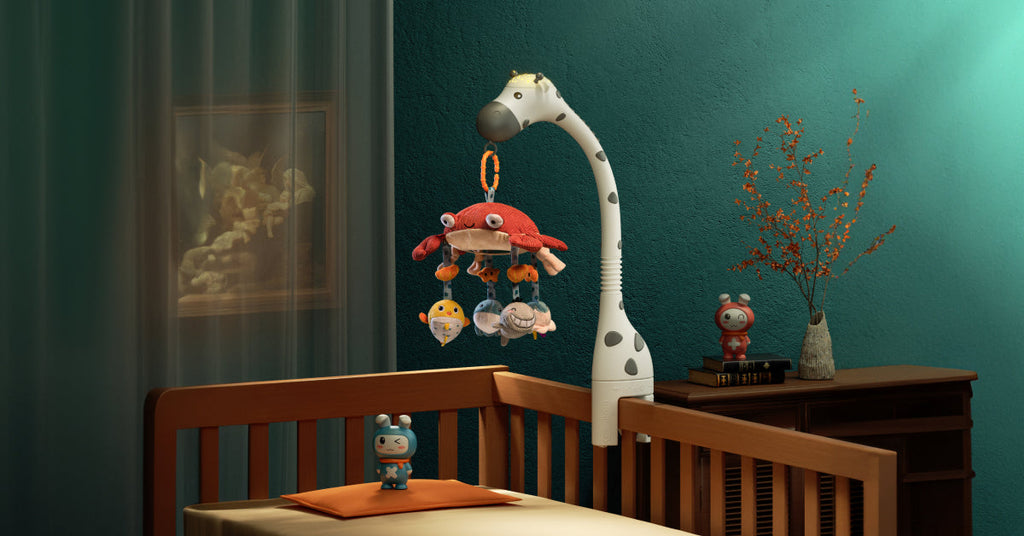
Crib mobiles engage a baby’s senses from the first days. They offer sights, sounds, and sometimes touch, helping babies explore their world. Understanding how these mobiles affect each sense can show if they might cause overstimulation.
Babies take in much through their senses. Mobiles can influence their visual, auditory, and tactile experiences. Each sense reacts differently and needs its own attention.
Visual Stimulation Effects
Crib mobiles often feature bright colors and moving shapes. These visuals attract babies and hold their gaze. Watching mobiles can help develop focus and tracking skills. Too many colors or fast movements may overwhelm young eyes. Babies might become fussy if visuals are too intense. Simple designs with gentle motion work best to calm.
Auditory Impact
Many mobiles play music or sounds. Soft melodies can soothe babies and aid sleep. Sounds help babies recognize patterns and rhythms. Loud or sudden noises may startle or stress infants. Repetitive tunes can comfort but also tire senses. Keeping sounds gentle and brief supports healthy hearing.
Tactile Interaction
Some mobiles include soft toys that babies can touch. Feeling different textures helps sensory development. Reaching for objects builds hand-eye coordination. Overly stimulating textures may confuse or irritate babies. Smooth, safe materials encourage gentle exploration. Tactile play with mobiles should be calm and simple.
Signs Of Overstimulation In Infants
Recognizing signs of overstimulation in infants helps parents keep their babies calm. Babies cannot speak, so they use signals to show stress. Watching for these signs can prevent fussiness and crying spells. Overstimulation happens when babies face too many sights, sounds, or touches. Crib mobiles, while soothing, may sometimes overwhelm a young child.
Behavioral Cues
Infants may turn their heads away from toys or lights. They might arch their backs or pull their arms and legs in. Some babies become very quiet or suddenly fussy. Crying that starts quickly and is hard to stop also shows stress. These behaviors tell parents the baby needs a break.
Physical Responses
Look for changes in breathing, such as faster or shallow breaths. Babies may have clenched fists or tense muscles. Flushed cheeks or sweating can appear without heat. Some infants blink more or have wide-open eyes. These physical signs indicate the baby feels overwhelmed.
Sleep Disruptions
Overstimulated babies may have trouble falling asleep. They might wake often during the night or nap less. Restlessness and tossing can increase before sleep time. Poor sleep affects a baby’s mood and growth. Keeping the crib environment calm helps improve sleep quality.
Factors Influencing Overstimulation Risk
Understanding the factors that influence overstimulation risk helps parents make safer choices. Not all crib mobiles affect babies the same way. Several elements shape how a baby reacts to the mobile’s presence. These factors include the design of the mobile, how long it is used, and the baby’s unique sensitivity.
Mobile Design And Features
The look and sounds of a crib mobile matter a lot. Bright colors and fast-moving parts can catch a baby’s attention quickly. Mobiles that play loud music or flashing lights can overwhelm a baby. Simple designs with soft colors and gentle movements are less likely to cause stress.
Duration Of Exposure
How long the mobile stays on affects overstimulation risk. A mobile running for hours may tire a baby’s brain. Short periods of use are safer and allow the baby to rest. Turning off the mobile during naps and bedtime helps prevent overload.
Individual Baby Sensitivity
Each baby reacts differently to stimuli. Some babies enjoy watching and listening to mobiles without issue. Others may become fussy or restless quickly. Parents should watch their baby’s behavior and adjust mobile use accordingly. Sensitivity can change as the baby grows and develops.
Safe Use Tips For Crib Mobiles
Crib mobiles can be a wonderful way to entertain and soothe babies. Safe use is key to prevent overstimulation and ensure comfort. Follow these tips to use crib mobiles wisely and keep your baby calm and happy.
Choosing Age-appropriate Mobiles
Select mobiles designed for your baby’s age. Newborns need simple mobiles with soft colors and slow movements. Older babies can handle brighter colors and gentle sounds. Age-appropriate mobiles support healthy development without causing stress.
Limiting Mobile Time
Limit the time your baby spends watching the mobile. Short sessions of a few minutes are best. Long exposure can overwhelm your baby and cause fussiness. Use the mobile as a calm, brief distraction during play or rest.
Positioning And Placement
Place the mobile where your baby can see it easily but not too close. Keep it at least 12 inches above the crib mattress. Proper placement prevents babies from grabbing the mobile and reduces visual strain. Secure the mobile firmly to avoid accidents.
Alternatives To Traditional Crib Mobiles
Alternatives to traditional crib mobiles offer gentle ways to engage babies without causing overstimulation. These options focus on calm and simple sensory experiences. They help babies explore their world at a comfortable pace. Parents can create a soothing environment that supports healthy development and rest.
Soft Toys And Textures
Soft toys provide safe, tactile experiences for babies. Different fabrics and shapes invite gentle touching and squeezing. These toys can help develop fine motor skills and sensory awareness. Using muted colors keeps the focus calm and soothing. Soft toys can be placed near the crib but out of reach for safety.
Natural Sensory Experiences
Natural sensory items bring a calm, organic feel to the nursery. Items like wooden rattles or cotton cloths offer simple textures and sounds. Fresh air and sunlight add gentle sensory input without overwhelming the baby. These experiences connect babies to nature and encourage peaceful exploration.
Parent-led Playtime
Parent-led playtime allows tailored, mindful interaction with the baby. Simple games like peekaboo or gentle songs create personal bonding moments. This focused attention supports emotional security and learning. Parents can watch for signs of tiredness and stop play before overstimulation begins.
When To Remove The Mobile
Knowing when to remove a crib mobile is important for your baby’s growth and safety. Mobiles attract attention, but they are not needed forever. Watching your baby closely helps decide the right time to take it down.
Removing the mobile at the right time supports your baby’s development and prevents possible problems like overstimulation.
Developmental Milestones
Babies develop fast in the first months. Around 3 to 5 months, they start reaching and grabbing. This shows they want to explore with their hands. At this point, a mobile can distract or block their movement.
When your baby begins to sit up or push up on their hands, the mobile may no longer be suitable. These milestones signal a need for more space and fewer distractions.
Signs Baby Outgrows Interest
Babies lose interest in mobiles as they grow. If your baby stops looking at the mobile or seems bored, it is a clear sign. They may focus more on toys they can hold or interact with.
Ignoring the mobile shows your baby’s curiosity has moved to new things. This moment is perfect to remove the mobile and offer age-appropriate toys.
Safety Considerations
Mobiles have small parts and strings that can be unsafe. Once your baby can sit or stand, they might grab the mobile. This can cause choking or strangulation risks.
Remove the mobile before your baby can pull it down. This keeps the crib a safe place to play and sleep. Always check the mobile for loose parts or damage.
Frequently Asked Questions
Can Crib Mobiles Overwhelm A Baby’s Senses?
Yes, crib mobiles with bright lights and loud sounds can overstimulate babies. It may cause fussiness and trouble sleeping.
How Long Should A Crib Mobile Be Used Daily?
Limit crib mobile use to 15-20 minutes daily. This prevents overstimulation and helps babies rest calmly.
What Signs Show A Baby Is Overstimulated By A Mobile?
Look for crying, turning away, or difficulty sleeping. These signs indicate the baby may be overwhelmed by the mobile.
Are All Crib Mobiles Likely To Cause Overstimulation?
No, simple mobiles with soft colors and gentle music reduce overstimulation risks. Choose mobiles designed for newborn sensitivity.
Conclusion
Crib mobiles can be fun but also overwhelming for babies. Bright lights and loud sounds may cause too much excitement. Parents should watch their baby’s reactions closely. Turning the mobile off during nap time helps. Choosing simple designs with soft colors works best.
A calm environment supports better sleep and rest. Balance is key to keep your baby happy and calm. Small changes make a big difference in baby’s comfort. Trust your instincts and adjust as needed. Safe, gentle stimulation helps babies grow and learn well.


