When it comes to your baby’s sleep, safety is the top priority. You want to do everything possible to protect your little one from sudden infant death syndrome (SIDS).
But with so much information out there, it can feel overwhelming to know what really works. This article will guide you through simple, proven safe sleeping practices that you can start using right now. By making just a few changes, you can create a sleep environment that keeps your baby safe and gives you peace of mind.
Keep reading to discover how easy it is to protect your most precious gift while they sleep.
Why Safe Sleep Matters
Safe sleep practices are vital to protect babies from Sudden Infant Death Syndrome (SIDS). SIDS is the sudden, unexplained death of a baby under one year old. Many times, it happens during sleep. Parents and caregivers can reduce this risk by following safe sleep guidelines.
Creating a safe sleep environment helps keep babies secure and calm. It also supports healthy growth and development. Knowing why safe sleep matters encourages families to make smart choices for their little ones.
Protecting Babies During Their Most Vulnerable Time
Babies spend many hours sleeping each day. Sleep is when they grow and rest. Unfortunately, this is also when they face the highest risk for SIDS. Safe sleep practices lower this risk by creating a secure space. A safe sleep area reduces dangers like suffocation and overheating.
Preventing Accidental Suffocation And Strangulation
Loose bedding, soft toys, and pillows can block a baby’s airway. Babies cannot move their heads easily. This makes suffocation a real threat. Safe sleep means placing babies on a firm mattress with no loose items nearby. This simple step saves lives every day.
Supporting Healthy Breathing And Temperature
Babies need to breathe easily while they sleep. Overheating raises the risk of SIDS. Dressing babies in light clothes and keeping the room cool helps. Safe sleep encourages a comfortable temperature and open airways. This keeps babies breathing well through the night.
Recommended Sleep Positions
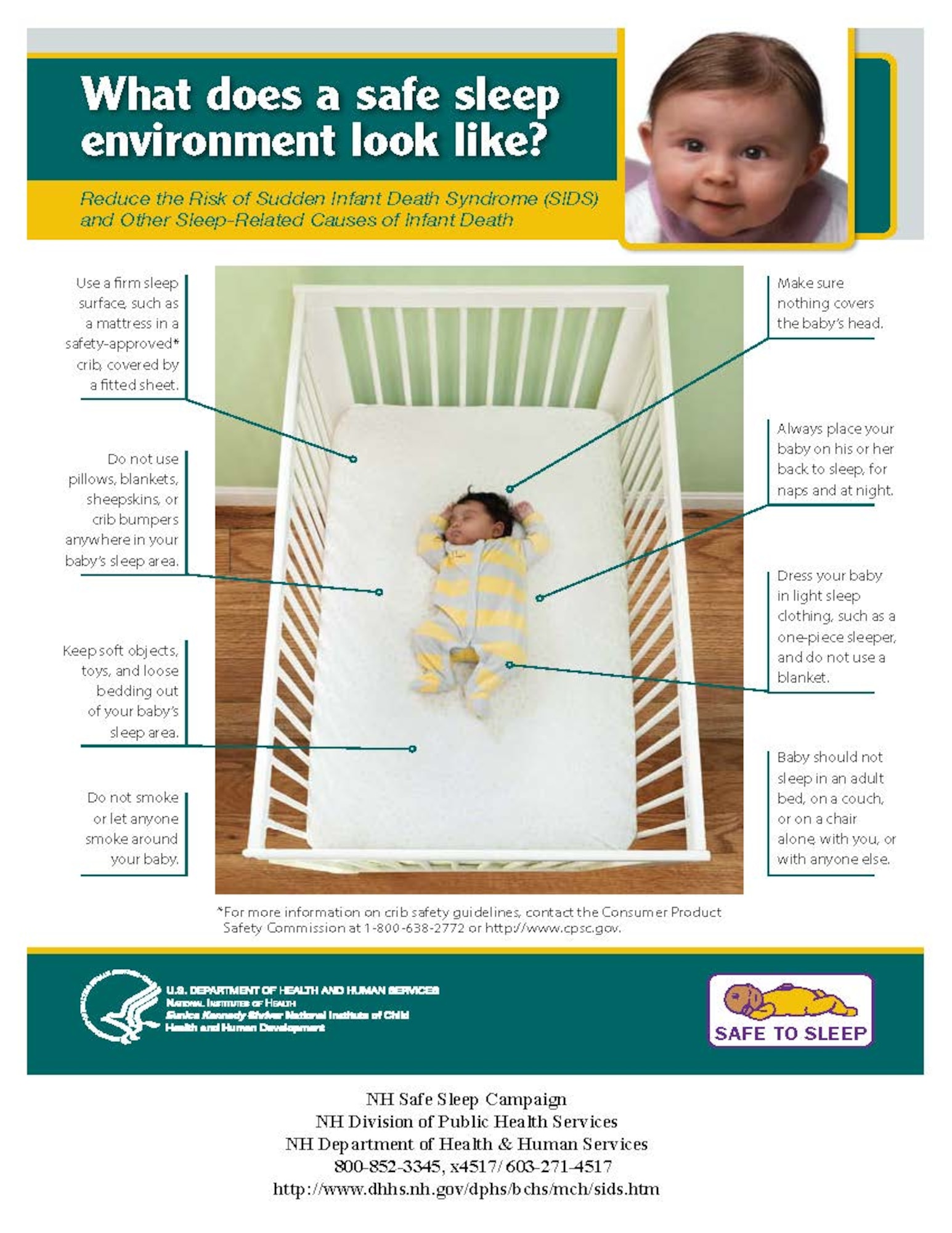
Choosing the right sleep position is key to reducing the risk of Sudden Infant Death Syndrome (SIDS). Safe sleep positions help keep babies safe and comfortable. Parents and caregivers should focus on positions that support healthy breathing and reduce hazards.
Back Sleeping Benefits
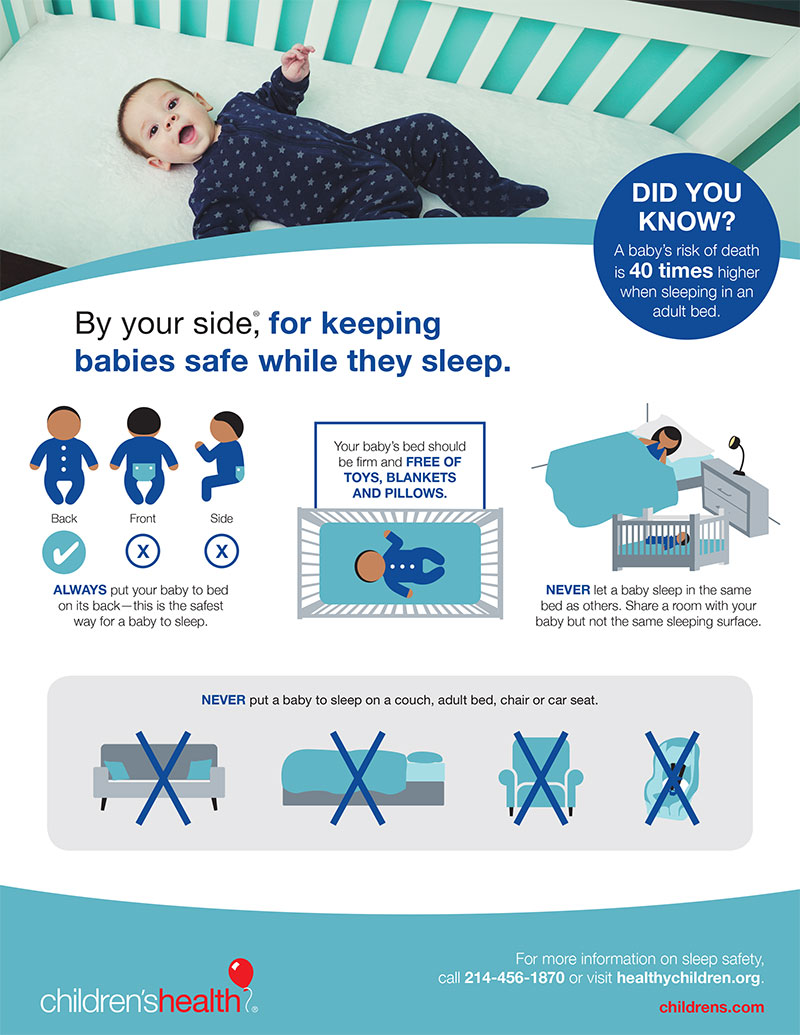
Placing babies on their backs to sleep is the safest choice. This position keeps airways open and clear. It lowers the chance of overheating and suffocation. Many studies show back sleeping reduces SIDS risk significantly. Babies also breathe easier and stay calm in this position.
Avoiding Stomach And Side Positions
Sleeping on the stomach or side can be dangerous for babies. These positions increase the risk of blocked airways. Babies on their stomachs may struggle to breathe if their faces press into bedding. Side sleeping is unstable and can cause babies to roll onto their stomachs. Avoid these positions to keep babies safe during sleep.
Choosing The Right Sleep Environment
Choosing the right sleep environment is very important to keep babies safe from SIDS. A safe sleep space helps babies rest well and reduces risks. Parents need to focus on the mattress, crib setup, and room temperature. These factors make a big difference in baby safety during sleep.
Firm Mattress Importance
A firm mattress gives strong support for a baby’s body. Soft mattresses can cause babies to sink in, which is dangerous. Babies need a flat, firm surface to breathe easily. Always choose a mattress made for infant cribs. Avoid placing pillows, cushions, or soft bedding under the baby.
Safe Crib Setup
The crib should be free of toys, blankets, and bumper pads. These items can block a baby’s airway or cause overheating. Use only a fitted sheet that fits the mattress tightly. Make sure the crib slats are close enough to stop the baby’s head from slipping through. Check that the crib meets current safety standards.
Room Temperature Guidelines
The room should be cool, not hot. A temperature between 68 and 72 degrees Fahrenheit is best. Overheating raises the risk of SIDS. Dress the baby in light clothing and avoid heavy blankets. Use a fan or air conditioning if needed to keep air flowing gently.
Avoiding Sleep Hazards
Creating a safe sleep space is key to lowering the risk of SIDS. Avoiding sleep hazards protects your baby during naps and nighttime rest. Simple changes in the crib can make a big difference. Focus on removing items that could cause harm, keeping the room temperature right, and ensuring the air is clean.
Removing Soft Bedding And Toys
Soft bedding and toys in the crib can block a baby’s airway. Pillows, blankets, and stuffed animals pose suffocation risks. Use a firm mattress with a tight-fitting sheet instead. Keep the crib clear of anything soft or loose. This helps your baby breathe freely and sleep safely.
Avoiding Overheating
Too much heat can increase the chance of SIDS. Dress your baby in light clothes for sleep. Avoid heavy blankets or multiple layers. Keep the room at a comfortable temperature, around 68 to 72 degrees Fahrenheit. Watch your baby for signs of sweating or warmth. Cooler is safer for a peaceful sleep.
Smoke-free Environment
Smoke around your baby raises SIDS risk significantly. Never smoke inside the home or near your baby. Smoke particles linger in the air and on clothes. These can harm your baby’s lungs and breathing. A smoke-free home creates a healthier, safer place for sleep.
Safe Sleep And Co-sleeping
Safe sleep is very important for babies. Many parents wonder about co-sleeping and how it affects their baby’s safety. Co-sleeping means sharing a bed with your baby. It can feel comforting but also has risks. Understanding these risks helps parents make smart choices. There are safer ways to keep your baby close while reducing danger. This section explains the risks of bed sharing and offers safe alternatives to co-sleeping.
Risks Of Bed Sharing
Bed sharing can increase the chance of sudden infant death syndrome (SIDS). Parents or siblings may accidentally cover the baby’s face. Soft bedding or pillows can block the baby’s breathing. Overheating is also a risk because the baby shares body heat. Small babies can get trapped between the mattress and wall. These dangers make bed sharing unsafe for newborns and infants.
Safe Alternatives To Co-sleeping
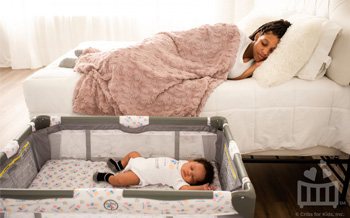
Using a separate sleep space in the same room keeps babies safe and close. A crib or bassinet next to the parent’s bed works well. These allow parents to hear and comfort the baby easily. Firm mattresses and tight-fitting sheets reduce suffocation risk. Avoid soft toys and blankets in the baby’s sleep area. Room-sharing without bed sharing lowers SIDS risk and supports bonding.
Role Of Pacifiers
Pacifiers play a key role in safe sleeping practices for babies. Many parents wonder if using a pacifier can help lower the risk of Sudden Infant Death Syndrome (SIDS). Research shows that pacifiers can be a simple tool to increase a baby’s safety during sleep.
Using a pacifier during naps and bedtime may reduce the chance of SIDS. It helps keep the baby in a lighter sleep state. This makes the baby more aware and able to wake up if needed. Pacifiers also keep the mouth slightly open, which helps with breathing.
Benefits In Reducing Sids Risk
Studies suggest pacifiers can lower SIDS risk by about 50%. The pacifier stops the baby from rolling onto the stomach. It helps maintain an open airway. Babies who use pacifiers tend to sleep more lightly. This light sleep reduces the chance of breathing problems.
Pacifiers also prevent babies from sucking their thumbs. Thumb sucking can increase infection risk. Using a pacifier is safer and easier to clean. This keeps babies healthier and safer during sleep.
Proper Use Guidelines
Offer the pacifier only at sleep times. Do not force the baby to take it. Stop using the pacifier when the baby is 12 months old. This helps avoid dental issues later.
Always use a clean pacifier. Check for any damage before giving it. Never tie a pacifier around the baby’s neck. This can cause choking or strangulation.
Do not coat the pacifier with sweet substances. This can cause tooth decay. Replace pacifiers regularly to keep them safe and clean.
Breastfeeding And Sids Prevention
Breastfeeding offers many benefits for babies. It helps protect against Sudden Infant Death Syndrome (SIDS). Studies show breastfed babies have a lower risk of SIDS than those who are not breastfed. Breast milk supports the baby’s immune system and helps the baby breathe better during sleep.
Breastfeeding also promotes better sleep patterns. Babies who breastfeed often wake up more easily. This lighter sleep reduces the chance of SIDS. Breastfeeding creates a strong bond between mother and baby. This bond encourages safe sleep habits.
How Breastfeeding Reduces Sids Risk
Breast milk contains important antibodies. These antibodies fight infections. Infections can increase the risk of SIDS. Breastfeeding helps keep babies healthy and strong. It also helps the baby’s brain develop properly. A healthy brain controls breathing and heart rate well. This lowers the chance of sudden sleep problems.
Breastfeeding And Sleep Position
Safe sleep means placing babies on their backs. Breastfed babies often fall asleep in this position. Mothers who breastfeed may be more aware of safe sleep guidelines. This awareness helps prevent unsafe sleep positions. Breastfeeding encourages a calm and secure sleep environment.
Exclusive Breastfeeding And Duration
Exclusive breastfeeding for the first six months is best. This means no other foods or liquids except breast milk. The longer a baby is breastfed, the lower the SIDS risk. Breastfeeding beyond six months adds extra protection. It strengthens the baby’s immune system over time.
Regular Health Checkups
Regular health checkups play a crucial role in keeping infants safe during sleep. These visits help detect any early signs of health problems. Doctors can guide parents on the best care practices for their babies. Staying updated with checkups reduces risks associated with sudden infant death syndrome (SIDS).
Monitoring Infant Health
Health checkups allow doctors to track a baby’s growth and development. They check breathing, heart rate, and weight gain. Any unusual signs can be spotted early. Parents receive advice on safe sleeping positions and environment. These visits help ensure the baby is healthy and comfortable.
Vaccination Benefits
Vaccinations protect infants from serious illnesses that may affect breathing. Studies show vaccinated babies have a lower risk of SIDS. Immunizations support a strong immune system. Doctors recommend following the vaccination schedule strictly. Protecting a baby’s health also supports safe sleep practices.
Frequently Asked Questions
What Is The Safest Sleep Position For Babies?
The safest sleep position for babies is on their back. This reduces the risk of SIDS by keeping airways clear. Avoid placing babies on their stomach or side to prevent suffocation hazards.
How Should A Baby’s Sleep Environment Be Set?
A baby’s sleep environment should be firm, flat, and clutter-free. Use a fitted sheet only, and avoid pillows, toys, or loose blankets. Keep the room at a comfortable temperature to prevent overheating.
Can Co-sleeping Increase Sids Risk?
Yes, co-sleeping can increase SIDS risk, especially on soft surfaces. Bed-sharing may lead to accidental suffocation or overheating. It is safer to have the baby sleep in a separate crib nearby.
Why Is Room-sharing Recommended Without Bed-sharing?
Room-sharing allows parents to monitor the baby closely while reducing SIDS risk. Keeping the baby’s crib in the same room improves safety and ease of feeding. Avoid bed-sharing to prevent accidental suffocation.
Conclusion
Safe sleeping helps protect babies from SIDS risks. Always place babies on their backs to sleep. Use a firm mattress without soft bedding or toys. Keep the sleep area clear and avoid overheating. Share a room, but not the same bed.
These simple steps create a safer sleep environment. Parents can feel more confident and calm. Remember, small changes make a big difference. Protect your baby with safe sleep habits every night.


